Blog

Explore our engineering insights & updates

Chemical fasteners

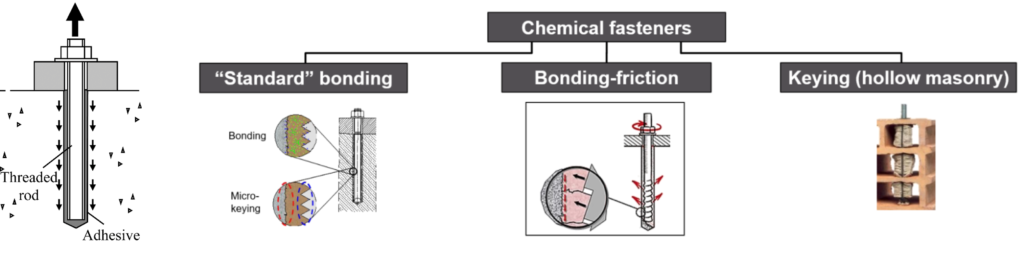
A short discussion on chemical fasteners, continuing our series of posts on fastening technology. Chemical fasteners transfer tension load to the borehole mainly via adhesion. The components are connected to one another to form an adhesive bond. Advantages: ​​​​​​​High load-carrying capacities No expansion forces (ideal for fastenings near the edge) Suitable for anchoring in solid […]

Chemical fasteners Read More »

Don’t Forget Primary Structure Check for Rooftop Stub Towers

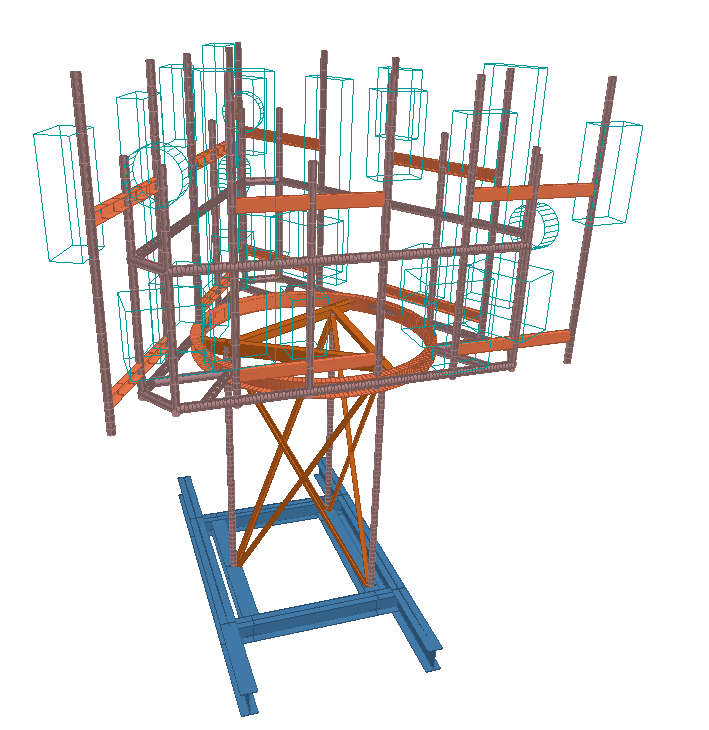
Rooftop stub towers, a solution that has gained popularity for its ability to overcome space constraints and improve connectivity in urban environments. When performing structural analysis on stub towers, it’s easy to focus solely on the tower structure, headframe and secondary steelworks. However, it’s crucial not to overlook the primary structure of the building itself.

Don’t Forget Primary Structure Check for Rooftop Stub Towers Read More »

Lattice Tower Braces

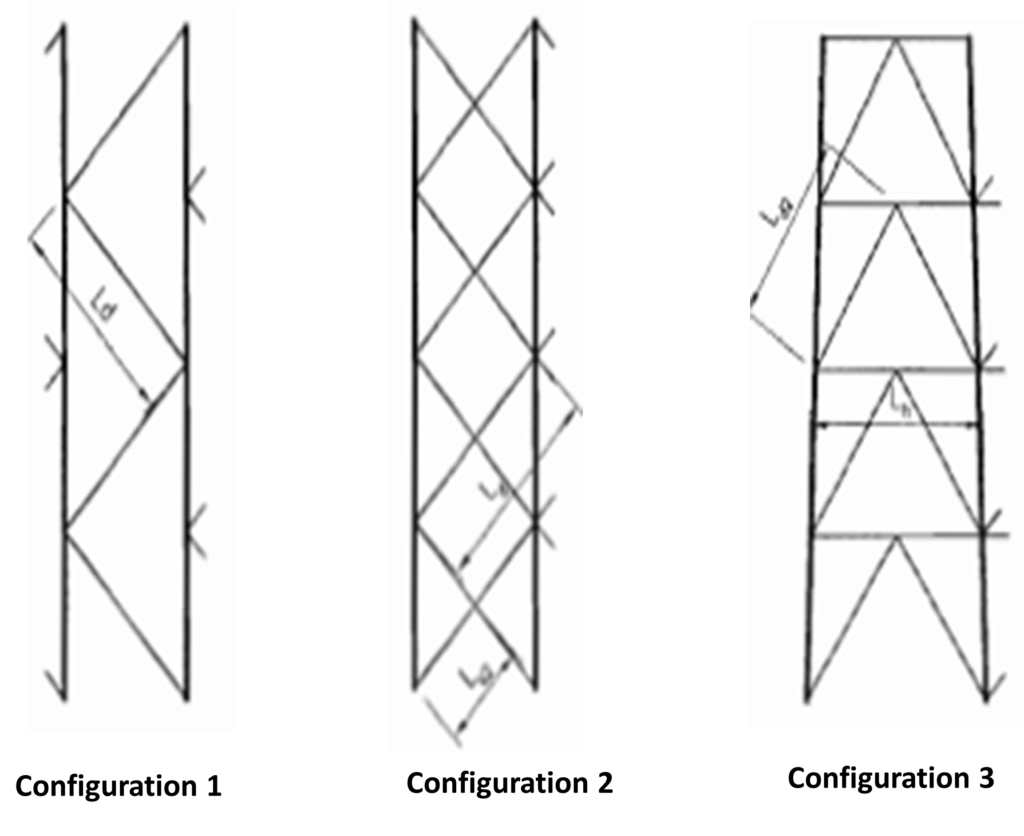
Lattice towers can be braced in various configurations (see image) but have you ever wondered why a particular configuration is selected? Braces are needed to keep a structure stable and prevent it from swaying or drifting since most towers act as a cantilever system. They transfer lateral loads from the tower to the ground and

Lattice Tower Braces Read More »

Diversifying Your Skillset

As a structural engineer, it is easy to become so focused on design and analysis that you neglect other valuable skills that can help you excel in your field. While knowledge of codes, standards, and structural theory is essential, it is equally important for engineers to have a diverse range of skills and well-rounded knowledge

Diversifying Your Skillset Read More »

Deflection in Telecom Structure Analysis

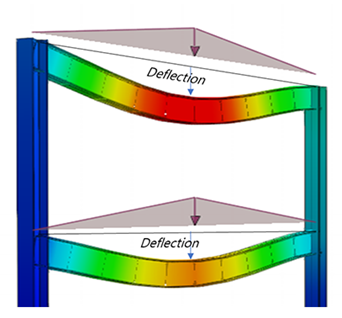
Deflection in telecommunication structures refers to the deformation or displacement of a structure from its original position under load. Deflection is a serviceability limit, that is, it does not automatically constitute structural failure, thus there are often differing requirements on the acceptable levels of deflection. There are typically two categories of deflection limits considered in

Deflection in Telecom Structure Analysis Read More »